Russia: US sought to take control of Iranian oil in Persian Gulf
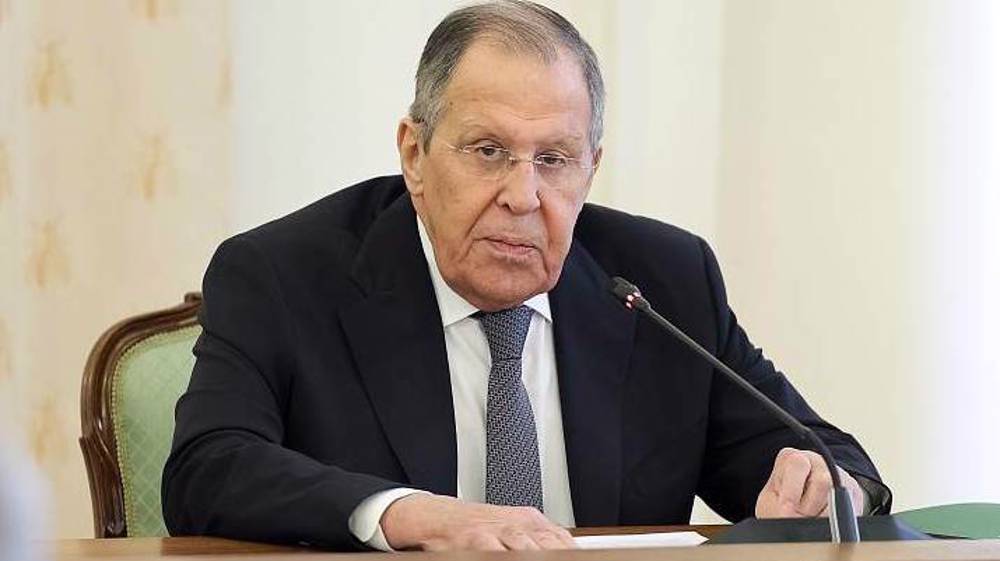
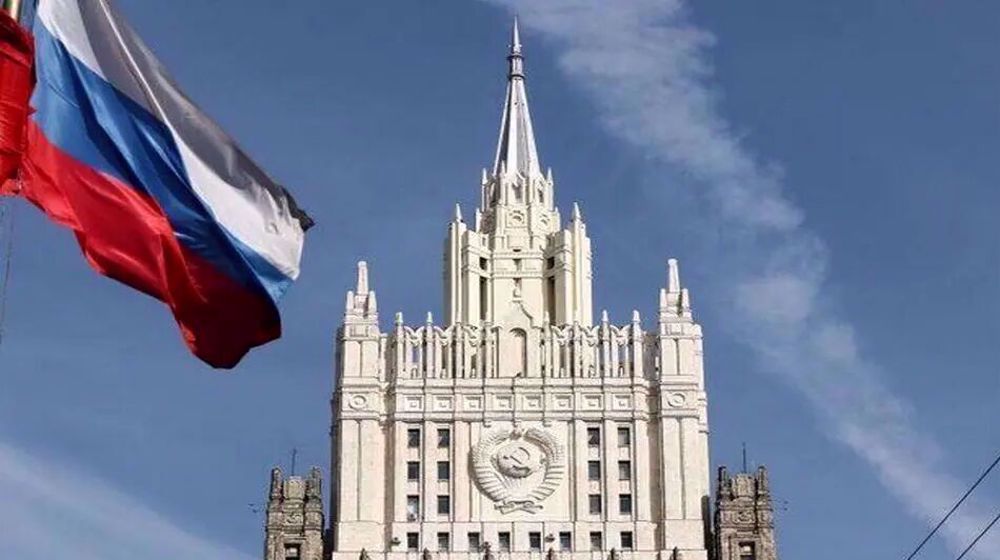
Russian Foreign Minister Sergey Lavrov says the United States was seeking to take control of the vital oil route through the Strait of Hormuz as the primary objective of its aggression on Iranian soil.
“I do not think there really were plans to destroy civilization. I think it is just a figure of speech,” Lavrov said at the Antalya Diplomacy Forum on Friday. “But the plans were to control the oil that passes through the Persian Gulf, through the Strait of Hormuz.”
Despite repeated claims of victory by President Trump, he was forced to announce a two-week ceasefire just hours before his self-imposed deadline for what he described as the annihilation of “the whole civilization” of Iran. The ceasefire is set to expire on April 21.

Iranian military officials have emphasized that while the Islamic Republic does not seek war, it remains fully prepared to defend its national sovereignty.
Throughout the conflict, Iran’s naval forces successfully secured full control over transit through the Strait of Hormuz.
On Friday, Iranian Foreign Minister Abbas Araghchi announced the reopening of the Strait following the implementation of a ceasefire between Israel and Lebanon.
The Islamic Republic had identified the ceasefire as an indivisible part of its 10-point proposal to Washington.
On his Truth Social platform, Trump reacted to Araghchi’s announcement, alleging that Iran had “agreed to never close the Strait of Hormuz again.”
He said the United States’ “naval blockade will remain in full force and effect as it pertains to Iran, only, until such time as our transaction with Iran is 100% complete.”
Iran categorically refuted his claims. Iran said Saturday that the Strait of Hormuz was closed again as the US refused to lift its so-called blockade of the Iranian ports.
The Persian Gulf waterway is a major transit point for about 20 percent of global oil and liquefied natural gas shipments.
This unprecedented disruption has fueled inflation and slowed the global economy, with an impact expected to last for months.
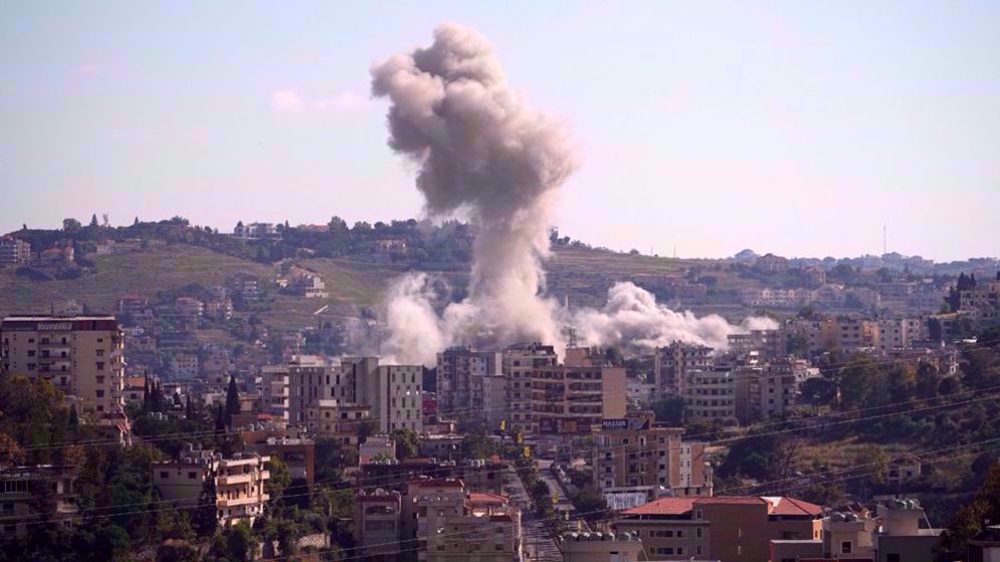
Iran calls on UN to protect Lebanese civilians as Israel’s attacks continue
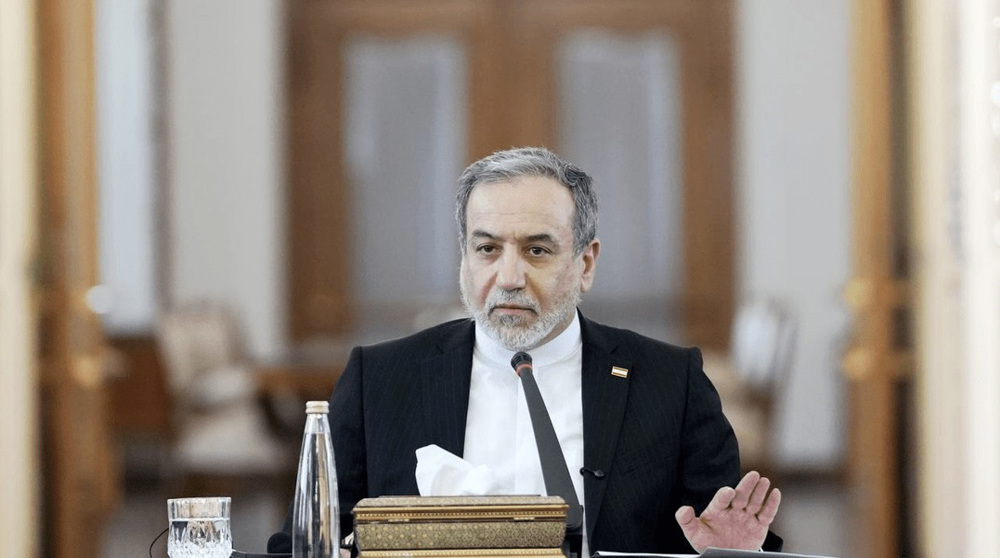
Oman deal will not mean reopening of Hormuz Strait: Iran FM
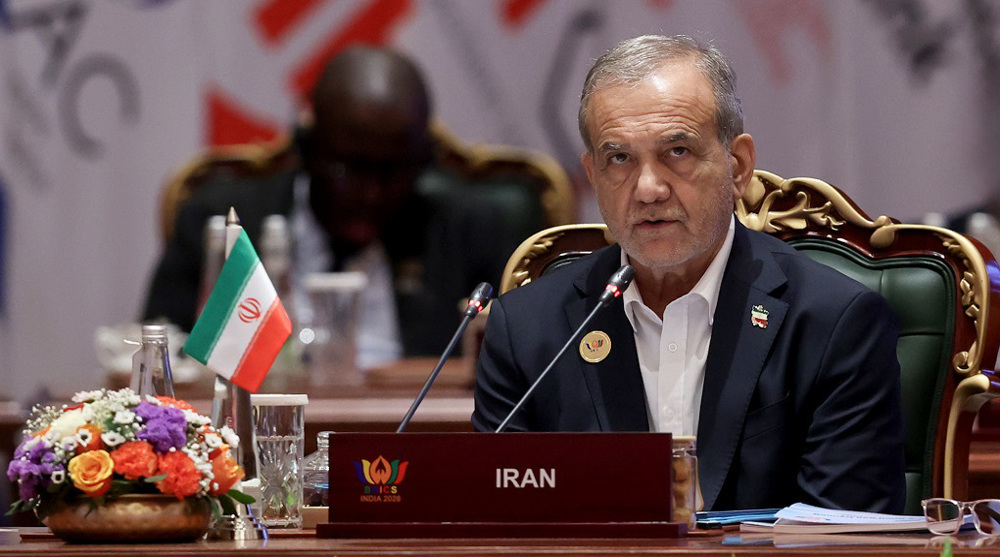
Pezeshkian urges BRICS to play more active role in upholding non-use of force principle



Yemeni army strikes aircraft hangars, radars, arms depots at Saudi airbase
Meet the 7-year-old Iranian prodigy who won gold at 2026 International Junior Informatics Olympiad
Iranian academic and entrepreneur wins top prize at BRICS women’s startup contest
Iran slams Austria’s barring of nuclear chief from IAEA conference under US pressure
Rights group: 37 Palestinian journalists being held in Israeli prisons
Qatar Red Crescent Society pledges cooperation over captive Iranian pilots: Official
Iran: Regional talks in Oman called off at Saudi Arabia's request
Iran's Judiciary seizes assets of 240 individuals over collaboration with hostile regimes




 PressTV NEWSLETTER now
  This makes it easy to access the Press TV website